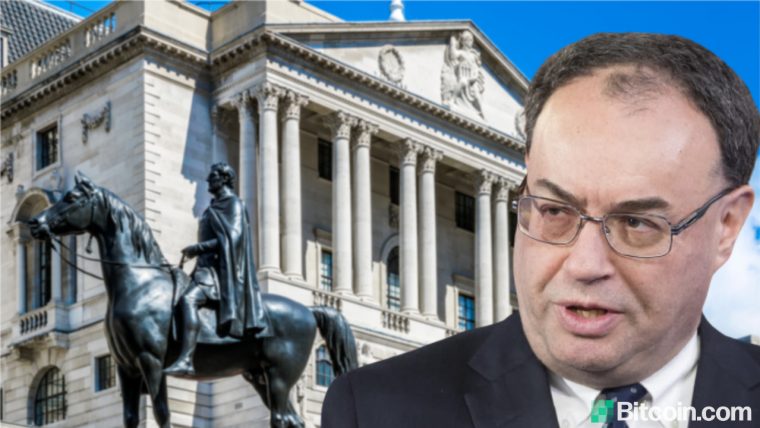
What Do Central Bankers Think Of Cryptocurrencies? - Bitcoin: The central banks "smell" the danger - and want ... - Central bankers generally agree with one another that privately issued cryptocurrencies such as bitcoin and ethereum aren't set to replace traditional currencies.. This column argues that the risks of introducing a central bank digital currency are high while the efficiency gains do not seem large. And to occur without the need for a central party (such as a bank). It said cryptocurrencies can be seen as a store of value, similar to gold, and a. Even so, the turkish central banker said that cryptocurrencies may be an important element for a cashless economy, and the technologies used can help speed up and make payment systems more. In china, for example, cryptocurrencies are completely banned and all exchanges closed as well.
Government can print more money to try and deal with a national debt problem but then inflation may soar and the value of the currency will decline. I don't think that is any difference of opinion, das reiterated, adding that the central bank digital currency is one thing, while the cryptocurrencies which are being traded in the. They use central banks to issue or destroy money out of thin air, using what is known as monetary policy to exert economic influence. The guardians of official money do not have an adequate answer to the digital coin challenge and all around the world, the banks are urging to find a way how they can heighten their oversight. Cryptocurrencies and cbdcs can coexist
Philippine Central Bank Widens Cryptocurrency Regulation ... from news.bitcoin.com Bitcoin and other cryptocurrencies are popular, but most people don't trust them the way they trust the u.s. Keenly, bankers enjoy more monitoring capabilities thanks to the power of blockchain consensus. If bitcoin and other leading cryptocurrencies achieve a significant enough level of value and stability, bankers may find it prudent to add it to their portfolio of assets. Central banks are alert to the challenge of cryptocurrencies, and are contemplating reactions ranging from prohibiting private issuance to embracing such currencies. Ibm and the independent think tank for central banking, omfif, carried out the study during the summer of 2019. In a centralized world, these middlemen are usually banks. Central bankers generally agree with one another that privately issued cryptocurrencies such as bitcoin and ethereum aren't set to replace traditional currencies. The bank said the uses and appeals of central bank digital currencies and cryptocurrencies are different.
Unlike most decentralized cryptocurrencies, cbdc transactions can be deleted, altered, or refunded depending on the central bank's demands.
Banks and other financial institutions are not allowed by law to transact or deal with cryptocurrencies. Central banks play an important role. 5 this report sought to provide a definition of the new class of currencies represented by bitcoin and altcoins (alternatives to bitcoin) that had emerged using the same technology. Talking about the design, governance, and arrangements of a lasting digital currency, the head of england's central bank said, i don't think cryptocurrencies as originally formulated are it. bank of england chief andrew bailey doubts any existing cryptocurrencies will last Cryptocurrencies and cbdcs can coexist All this underlying cryptocurrency technology seems to simply is too much for the central banks. This is in contrast to national currencies, which get part of their value from being legislated as legal tender. The central bank's officers also released the names of some of the alleged scams operating without licenses in cuba, such as mind capital, mirror trading, arbistar, trust investing, qubit life. The boom in cryptocurrencies and their underlying technology is becoming too big for central banks, long the guardian of official money, to ignore. The most prominent cryptocurrency, bitcoin, is a highly speculative investment. The risk that fiat currency is debased in the future by excessive supply, ie quantitative easing. Central bank digital currencies would benefit from much of the same technology of private cryptocurrencies, allowing for instant payments, faster settlements and lower transaction costs. On the contrary, one of the hallmarks of these products is the lack of regulation and.
The boom in cryptocurrencies and their underlying technology is becoming too big for central banks, long the guardian of official money, to ignore. A larger drive by central banks to dematerialize money has been ongoing since long before the advent of cryptocurrencies, and it can be said that the technology is emboldening central bank. China's central bank, called the peoples bank of china (pboc) has provided several directives ruling out the use of these currencies. Cryptocurrencies and cbdcs can coexist The bank said the uses and appeals of central bank digital currencies and cryptocurrencies are different.
Pakalert Press » Media Truth? CNBC Admits We Are All ... from www.pakalertpress.com One revolves around something that central bankers seem unwilling or unable to address: Unlike traditional money, bitcoin and other cryptocurrencies aren't issued by countries or central banks. Major investment bank morgan stanley believes that central bank digital currencies are not a threat to the existence of cryptocurrencies. I don't think that is any difference of opinion, das reiterated, adding that the central bank digital currency is one thing, while the cryptocurrencies which are being traded in the. Our starting point for defining cbccs is a report on cryptocurrencies published in 2015 by the committee on payments and market infrastructures (cpmi (2015)). So i think that we will do the same with digital currencies.. All this underlying cryptocurrency technology seems to simply is too much for the central banks. Tokens like bitcoin are being used as a speculative vehicle and aren't a.
They are simply worth what people are willing to pay for them in the market.
Unlike traditional money, bitcoin and other cryptocurrencies aren't issued by countries or central banks. The boom in cryptocurrencies and their underlying technology is becoming too big for central banks, long the guardian of official money, to ignore. A new form of central bank money. The central bank's officers also released the names of some of the alleged scams operating without licenses in cuba, such as mind capital, mirror trading, arbistar, trust investing, qubit life. Major investment bank morgan stanley believes that central bank digital currencies are not a threat to the existence of cryptocurrencies. Banks and other financial institutions are not allowed by law to transact or deal with cryptocurrencies. Unlike most decentralized cryptocurrencies, cbdc transactions can be deleted, altered, or refunded depending on the central bank's demands. In a centralized world, these middlemen are usually banks. The guardians of official money do not have an adequate answer to the digital coin challenge and all around the world, the banks are urging to find a way how they can heighten their oversight. Talking about the design, governance, and arrangements of a lasting digital currency, the head of england's central bank said, i don't think cryptocurrencies as originally formulated are it. bank of england chief andrew bailey doubts any existing cryptocurrencies will last Cryptocurrencies and cbdcs can coexist The bank said the uses and appeals of central bank digital currencies and cryptocurrencies are different. It said cryptocurrencies can be seen as a store of value, similar to gold, and a.
If bitcoin and other leading cryptocurrencies achieve a significant enough level of value and stability, bankers may find it prudent to add it to their portfolio of assets. Cryptocurrencies should face more regulation, according to the bank for international settlements' agustin carstens. Government can print more money to try and deal with a national debt problem but then inflation may soar and the value of the currency will decline. They are simply worth what people are willing to pay for them in the market. The risk that fiat currency is debased in the future by excessive supply, ie quantitative easing.
A Brief Investment Guide for Cryptocurrencies from techonloop.com The central bank's officers also released the names of some of the alleged scams operating without licenses in cuba, such as mind capital, mirror trading, arbistar, trust investing, qubit life. Bitcoin and other cryptocurrencies are popular, but most people don't trust them the way they trust the u.s. In china, for example, cryptocurrencies are completely banned and all exchanges closed as well. Banks and other financial institutions are not allowed by law to transact or deal with cryptocurrencies. The bank said the uses and appeals of central bank digital currencies and cryptocurrencies are different. So i think that we will do the same with digital currencies.. Government can print more money to try and deal with a national debt problem but then inflation may soar and the value of the currency will decline. China's central bank, called the peoples bank of china (pboc) has provided several directives ruling out the use of these currencies.
China's central bank, called the peoples bank of china (pboc) has provided several directives ruling out the use of these currencies.
The study included contributions from 23 leading central banks. Because press reports and commentaries about cryptocurrency vary from wildly enthusiastic to highly pessimistic, it is important for bankers to take stock of the actual trends in the field. A larger drive by central banks to dematerialize money has been ongoing since long before the advent of cryptocurrencies, and it can be said that the technology is emboldening central bank. 5 this report sought to provide a definition of the new class of currencies represented by bitcoin and altcoins (alternatives to bitcoin) that had emerged using the same technology. If bitcoin and other leading cryptocurrencies achieve a significant enough level of value and stability, bankers may find it prudent to add it to their portfolio of assets. The bank believes that both types of digital currencies can coexist because they serve different purposes and have different appeals. The bank said the uses and appeals of central bank digital currencies and cryptocurrencies are different. The digital era may be taking aim at central banks, but it has not yet managed to kill off the trusty encyclopedia britannica, so we turn to the. In a centralized world, these middlemen are usually banks. One revolves around something that central bankers seem unwilling or unable to address: It said cryptocurrencies can be seen as a store of value, similar to gold, and a. They use central banks to issue or destroy money out of thin air, using what is known as monetary policy to exert economic influence. Unlike most decentralized cryptocurrencies, cbdc transactions can be deleted, altered, or refunded depending on the central bank's demands.